

Everything you need to live your best no-alcohol / low-alcohol lifestyle.
It’s Saturday afternoon at your sister’s place. The barbecue’s on, someone hands you a cold beer without asking, and you hear yourself say, “Oh, thanks.” You told yourself this was the weekend you’d finally mention it. Maybe next time.
Sound familiar? You’ve decided to take a break from drinking, maybe for three months, maybe just to see how you feel. The decision was the easy part. Telling the people who are used to seeing you with a drink in your hand is harder.
Here’s the thing. You don’t need a big announcement, and you don’t need to explain your whole history with alcohol. You just need a couple of people on your side.
Why it feels like such a big deal
For most of us, drinking isn’t just something we do. It’s how we celebrate and how we wind down on a Friday night. So when you stop, it can feel like you’re changing the rules for everyone. You’re not. It’s your change.
Some friends will feel it more than others, especially the ones you usually share a bottle with. They might worry you’ll judge them, or that nights out won’t be as fun. That doesn’t mean they don’t care. They’re just getting used to it.
It’s worth pushing through the awkward bit, though. The Australian Government’s own health advice suggests telling friends and family when you cut back or quit, so they can help. Research also suggests the support that helps most is support for your actual goal, like someone cheering you on to not drink, rather than general goodwill.
Pick your moment
Timing helps. A quiet coffee or a chat in the car is far easier than shouting it over the music at the pub. Start with whoever is most likely to be supportive. Once one person knows, the next conversation gets easier.
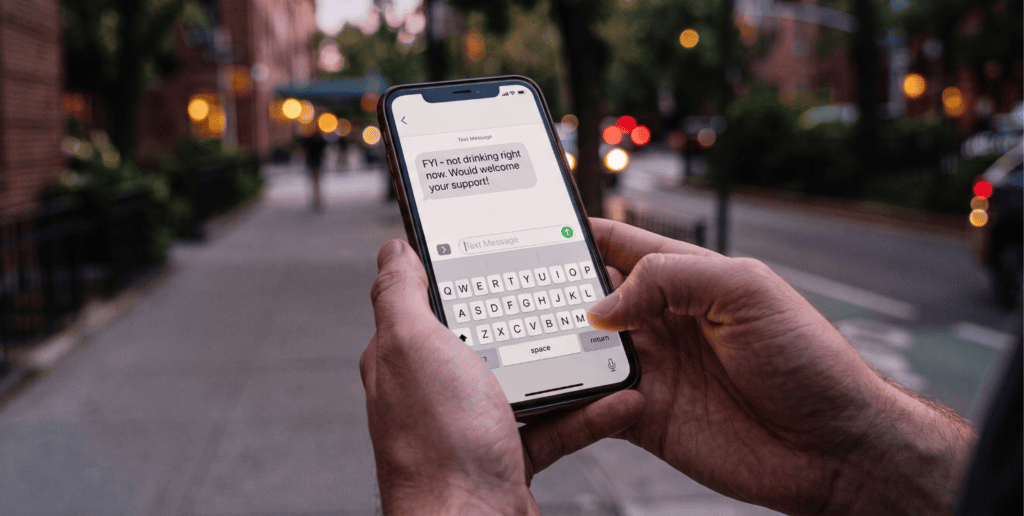
And if a face-to-face chat feels like too much, a text is fine. Something like “Hey, just so you know, I’m having a break from drinking for a few months. Would love your support” does the job.
What to say
Keep it short and keep it light. Something as simple as “I’m taking three months off drinking and I’m actually looking forward to it” works well. If you sound sure, most people will take your lead.
If they ask why, share as much or as little as you like. “I just want to see how I feel without it” or “I’m doing it for my health” are both perfectly good answers. You don’t owe anyone the full story.
It also helps to tell them what won’t change: “I still want to catch up. I’ll just be drinking something different.” For a friend who’s worried about losing their drinking buddy, that’s often all they need to hear.
What to ask for
This is the bit most people skip. Your friends and family probably want to help. They just don’t know how. So spell it out. A few things you might ask:
You don’t need to use all of these. Pick the ones that matter most to you. It’s also worth asking one close friend to be your go-to person, someone you can text when a night gets tricky.
If someone pushes back
Not everyone will get it straight away. Someone might roll their eyes or keep offering you “just one”. That can hurt, especially from people you’re close to.
You don’t need to win the argument. You’re not asking them to agree, only to respect your choice. A friendly “Thanks, but I’m good” usually does it. If they keep going, try “I’m happy for you to have whatever you like. This is just my thing right now.”
And if someone still won’t let it go, it’s okay to head home early. Often their reaction says more about their own drinking than about you. Plenty of people who grumble at first come around once they see you’re still good fun.
Make nights out easier
A bit of planning goes a long way. Know what you’ll order before you get there, whether that’s an AF beer, a mocktail or soda with lime. With a drink already in your hand, fewer people ask if you want one. Heading to a mate’s place? BYO your favourite AF drink.
Sort out your ride home and give yourself an easy way out if you need it. Or suggest a catch-up that isn’t built around drinks at all, like brunch or an alcohol-free event.
Start with one conversation
You don’t have to tell everyone this week. Start with one person. Be clear about what you’re doing and what would help. You might be surprised by who turns out to be in your corner.
And we’re here to make it easier too:
Cheers to choice!
Need more support?
This article is general information, not medical advice. If you’re worried about your drinking, notice withdrawal symptoms when you stop, or need personalised support, please speak with your GP or a qualified health professional.
Our Support page brings together trusted help in one place, including:
If you ever need to talk to someone right now, call Lifeline on 13 11 14.
Sources
Moon, T. J., et al. (2019). The role of social support in motivating reductions in alcohol use. Alcoholism: Clinical and Experimental Research, 43(1), 123–134.
Australian Government Department of Health, Disability and Ageing, How can you reduce or quit alcohol?
Australian Government Department of Health, Disability and Ageing, National Alcohol and Other Drug Hotline
